


-

Add: HeBei ShengShi HongBang Cellulose Technology CO.,LTD.
-

Email
13180486930@163.com -

CONTACT US
+86 13180486930
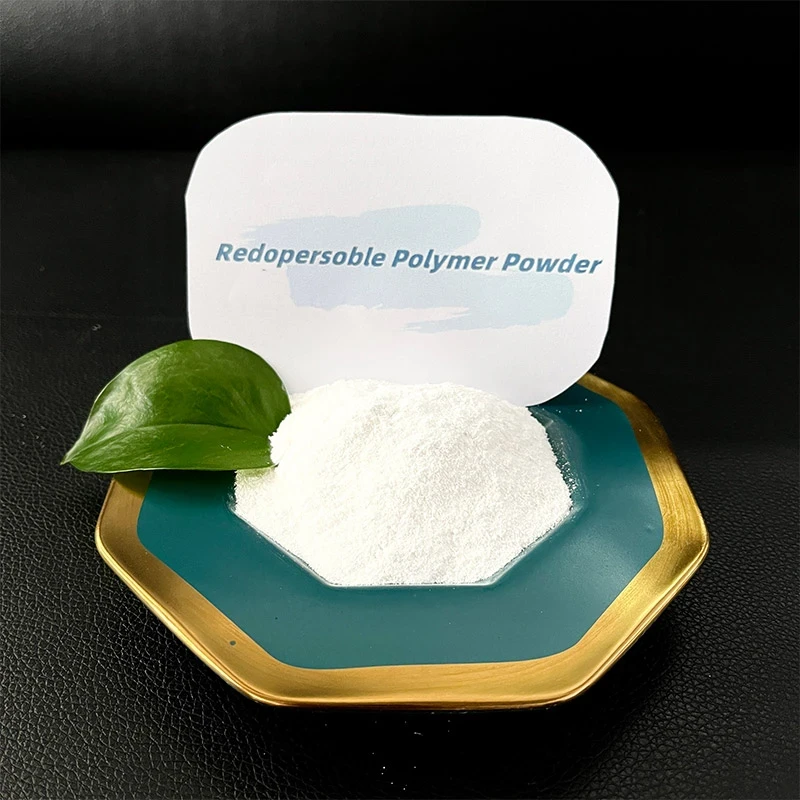


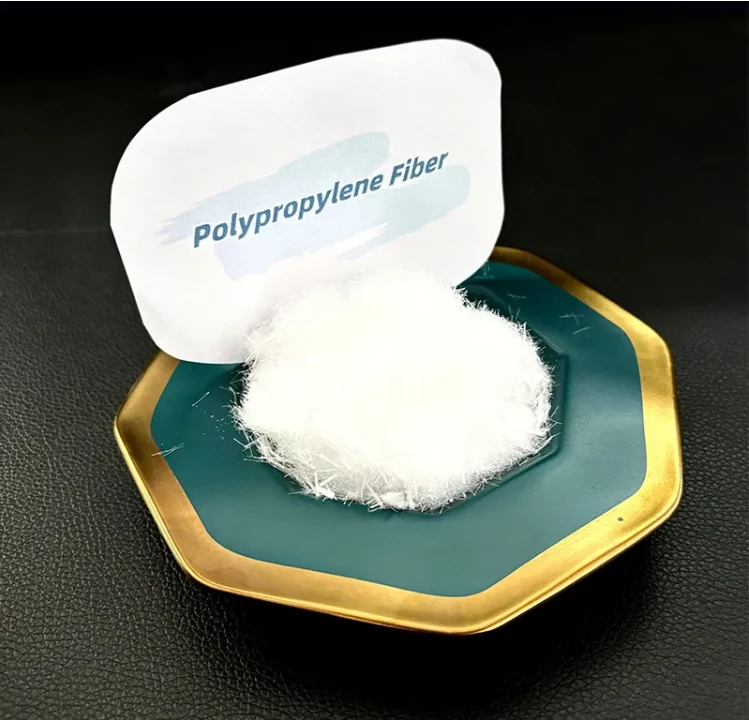
Fiber reinforced polypropylene (FRP) represents a groundbreaking advance in material science, uniquely blending the adaptable properties of polypropylene with the enhanced strength and durability of fiber reinforcements. This composite material is revolutionizing industries ranging from automotive to electronics, demonstrating unmatched performance and reliability. Composite materials, such as FRP, are designed to provide superior traits beyond those offered by single components. Polypropylene, a thermoplastic polymer, is well-recognized for its versatility, lightweight characteristics, and resilience to fatigue. However, its strength and stiffness can be inadequate for certain demanding applications. This gap is effectively bridged by incorporating fibers such as glass, carbon, or aramid, resulting in a composite with significantly improved mechanical properties. In automotive markets, the pursuit of lightweight materials without sacrificing strength is relentless due to increasing regulatory demands for fuel efficiency and emissions reduction. Fiber reinforced polypropylene offers an ideal solution, presenting an attractive balance of weight and performance. Its application in vehicle components, such as bumpers, dashboards, and under-the-hood parts, contributes significantly to overall weight reduction, leading to improved fuel economy and lowered emissions. Additionally, the composite’s resistance to impact and high tensile strength ensures enhanced safety and durability—imperative factors in automotive design. Moreover, the sustainability of fiber reinforced polypropylene makes it a material of choice for manufacturers intent on reducing environmental impact. Polypropylene is one of the most recyclable polymers, and when combined with recyclable fibers, the resultant composite can often be recycled or reprocessed with minimal degradation of quality. This attribute supports a more sustainable lifecycle, aligning with global sustainability trends and demands from environmentally conscious consumers. In the construction industry, fiber reinforced polypropylene is rapidly gaining traction due to its outstanding resistance to corrosion, chemicals, and moisture—all critical considerations in the longevity and maintenance of building structures. Its non-conductive nature also renders it suitable for applications where electrical conductivity may pose safety risks. For infrastructure projects, this composite material is utilized in components like reinforcing bars (rebars), panels, and deckings, offering longevity and reduced maintenance costs compared to traditional materials like steel. fiber reinforced polypropylene From an engineering perspective, designing with fiber reinforced polypropylene requires profound expertise. Each application demands a tailored approach in determining the type, orientation, and volume fraction of the fiber to achieve desired mechanical properties. Factors such as thermal conductivity, dimensional stability, and surface finish also need careful consideration during product development to ensure efficient manufacturability and performance under operational conditions. Fiber reinforced polypropylene is also notable for its applications in the consumer electronics sector . As the demand for portable, durable, and aesthetically pleasing devices continues to grow, manufacturers find themselves turning to this composite for enclosures and structural components. Not only does it provide the necessary rigidity and resistance to wear, but it also allows for intricate molding which is critical in designing sleek modern gadgets. Its capacity for vibrant coloration and finesse in surface texture showcases the composite’s flexibility in meeting aesthetic and functional requirements simultaneously. The aerospace sector similarly benefits from FRP’s lightweight and strong characteristics. Being a crucial contributor to the reduction of aircraft weight, it enhances fuel efficiency and range—an essential objective in aviation engineering. Used in the production of interior panels, seat structures, and certain aerodynamic surfaces, fiber reinforced polypropylene not only meets the stringent safety and performance standards but also minimizes operational costs over an aircraft’s service life. In summary, the multifaceted advantages of fiber reinforced polypropylene are proving indispensable across diverse industries. Its capacity to merge strength with lightweight and recyclable properties positions it as a leader in future material innovation and sustainability efforts. Expertise in its application can significantly enhance performance, reduce costs, and support environmental objectives. As new fibrous materials and technological advancements continue to emerge, the potential applications and benefits of FRP will undoubtedly expand, further entrenching its place as an essential material in modern engineering and product design.
- 40000tons

Production
- 20+years

Experience
- 5000+㎡

Acreage

-
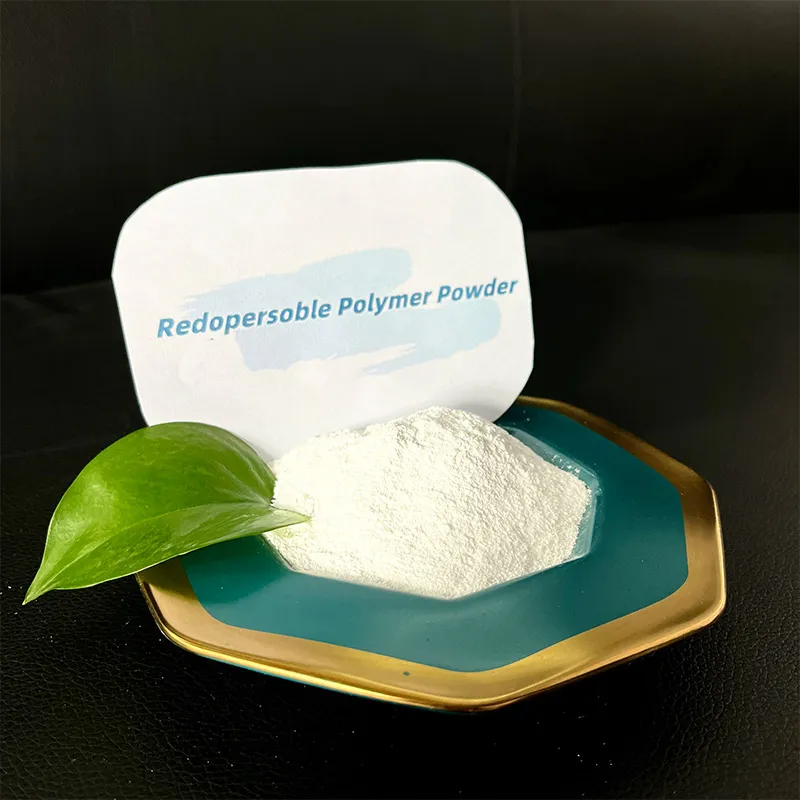
Advancements in Starch Ether Technology: Innovation in Material Science Starch ether , a refined white powder derived from natural plant sources, undergoes a sophisticated process of modification characterized by substantial etherification reactions, followed by a technique known as spray drying. At HeBei ShengShi HongBang, we've pioneered advanced manufacturing techniques to produce high-purity starch ether compounds with exceptional consistency and performance characteristics. Our starch ether solutions meet rigorous international standards across multiple industries. "Modern construction chemistry relies heavily on specialty additives like starch ether to achieve required performance parameters. The controlled modification of starch molecules significantly improves water retention, workability, and application properties in cementitious systems." - Journal of Construction Chemistry Explore Our Starch Ether Solutions Technical Parameters of Starch Ether Comprehensive Technical Specifications Parameter Standard Range Test Method Significance Viscosity (2% solution) 100-10,000 mPa·s Brookfield LVF Determines thickening efficiency pH Value 5.5-7.5 DIN EN ISO 787-9 Chemical compatibility indicator Moisture Content ≤ 8% Karl Fischer Storage stability & shelf life Degree of Substitution (DS) 0.02-0.10 Titration Method Functional group quantification Ash Content ≤ 1% DIN EN ISO 3451 Purity measurement Granulation (200 mesh) ≥ 95% Sieve Analysis Solubility and dispersion Bulk Density 450-550 g/l ASTM D1895 Dosage and handling Industry Applications of Starch Ether Construction Materials Starch ether serves as a multifunctional additive in tile adhesives, cement renders, and self-leveling compounds. Our specialized products enhance water retention, prolong open time, and improve sag resistance. Pharmaceutical Excipients In tablet formulations, starch ether functions as a superior binder-disintegrant combination. Medical-grade etherified starch enhances dissolution profiles while maintaining excellent compression characteristics. Food Processing Food-grade modified starch acts as a thickener, stabilizer, and texture modifier. Our specialized products are certified for applications in sauces, dressings, and frozen food preparations. Paper Manufacturing As a coating binder and surface sizing agent, starch ether improves paper strength, printability, and surface characteristics while reducing dusting during converting operations. Textile Processing In textile printing, our specialized starch ether serves as efficient thickeners that provide excellent color yield, sharpness of print, and easy washability. Oil Field Applications High-performance drilling fluid additives based on starch ether offer excellent fluid loss control at elevated temperatures while maintaining environmental compatibility. Starch Ether Advantages ? Sustainable Origin Derived from annually renewable starch resources, our products support sustainable material cycles. Life cycle assessments confirm the ecological advantages of starch-based chemicals versus petroleum alternatives. ? Water Retention Our patented starch ether chemistry achieves up to 30% higher water retention efficiency in construction materials compared to conventional cellulose ethers, improving hydration control in cementitious systems. ? Compatibility Enhancement Through specialized modification processes, we've developed starch ether products that demonstrate improved compatibility with modern additives including PCE superplasticizers and redispersible polymer powders. ⚖️ Cost Efficiency At equivalent performance levels, starch ether additives deliver significant formulation cost advantages while often improving application characteristics in multiple materials systems. Technical FAQs About Starch Ether What is the mechanism behind starch ether's water retention properties? Starch ether molecules undergo hydration that causes molecular chain expansion, creating a network that physically traps water through hydrogen bonding. The substitution pattern determines hydrophilic character and solution behavior. Studies show properly modified starches can hold water molecules even under mechanical pressure and low humidity conditions. How do starch ethers compare to cellulose ethers in construction applications? While both modify rheology, starch-based alternatives offer superior economics at comparable technical performance. Our research indicates specific advantages including faster dissolution, enhanced electrolyte tolerance, and different molecular weight distributions that complement cellulose derivatives. Many formulators blend both polymer types to optimize cost-performance ratios. What are the critical manufacturing parameters for consistent starch ether quality? Three parameters dominate: 1) Etherification efficiency (reaction kinetics and DS control), 2) Granulation technology achieving uniform particle size distribution, and 3) Thermal history optimization during drying phases. At HeBei ShengShi HongBang, we utilize continuous production monitoring with AI-driven process control that maintains quality variance below 0.5% over production batches. Can starch ether be used in formulations requiring thermal stability? Through specific chemical modification pathways, we produce thermal-stable grades that maintain functionality up to 90°C for extended periods. These specialty products are engineered through molecular structure optimization that reduces thermal degradation pathways. Third-party testing confirms retention of over 85% initial viscosity after 24 hours at 85°C. How is substitution degree (DS) measured, and what values are optimal? DS is quantified through both wet chemical titration and NMR techniques. For construction applications, optimal values range between 0.04-0.07 DS. Higher substitution increases solubility but may negatively impact thickening efficiency. We offer specialized testing services to match DS profiles to specific application requirements. What packaging options are available to prevent moisture degradation? We utilize triple-layer laminated sacks with polyethylene barriers offering less than 2g/m²/24h moisture transmission rates. Bulk silo systems are also available for high-volume users, featuring inert gas blanketing and humidity-controlled discharge systems to maintain optimal powder flow characteristics while preventing moisture absorption. How does starch ether impact environmental compliance profiles? Starch-based derivatives inherently offer environmental advantages including biodegradability (>95% OECD 301B), renewable resource origin, and low ecotoxicity. Our lifecycle assessments show carbon footprints reduced by 35-50% versus petrochemically derived alternatives. All products meet REACH and TSCA regulatory requirements. Industry Recognitions & References International Journal of Material Science: "Advanced Modification Techniques for Improved Starch Functionality" https://doi.org/10.1016/j.ijms.2022.102456 Construction Chemistry Review: "Novel Applications of Starch Ethers in Modern Building Materials" https://www.conchem-review.org/articles/ccr.11945 European Polymer Journal: "Structural Analysis of Industrially Modified Starch Derivatives" https://doi.org/10.1016/j.eurpolymj.2021.110812 Food Technology Magazine: "Functional Properties of Modified Food Starches in Processed Foods" https://www.ift.org/news-and-publications/food-technology-magazine Industrial Chemistry Research: "Continuous Production Processes for Starch Ether Derivatives" https://pubs.acs.org/doi/10.1021/acs.iecr.1c01234
-
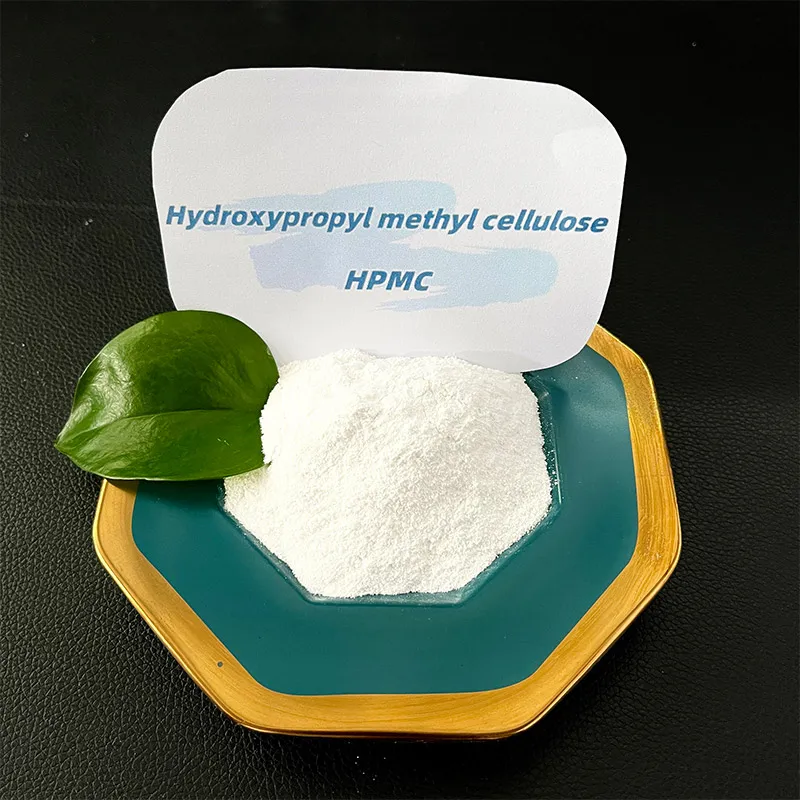
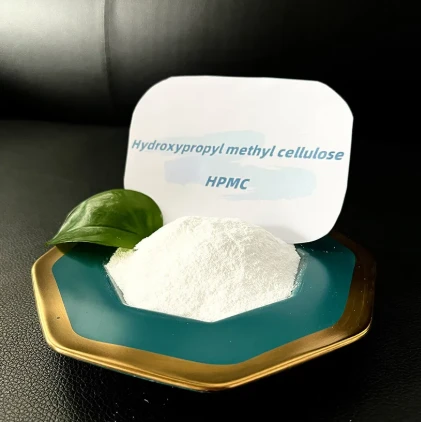
Hydroxypropyl Methylcellulose (HPMC) stands as a unique and versatile compound with a broad range of applications, making it an essential component in various industries including pharmaceuticals, construction, and food production. Its remarkable properties and benefits have earned it a significant place in the market, and understanding its comprehensive functionality can enhance user experience considerably. HPMC, a chemically modified cellulose polymer, boasts exceptional qualities such as thermal stability, water solubility, and film-forming capabilities. These attributes make it indispensable in the pharmaceutical industry, where it serves principally as a controlled drug release agent and a binding component in tablets. One practical application in this realm is its use in creating time-release capsules, which ensures a consistent and gradual release of medication, enhancing therapeutic efficacy. Such innovations leverage the unique mechanical and physical properties of HPMC, demonstrating its expertise and crucial role in pharmaceutical advancements. In the construction industry, HPMC is celebrated for its capabilities as a water-retention agent and a performance enhancer for cement and gypsum products. The inclusion of HPMC in mortar and plaster formulations leads to improved workability and adhesion, while significantly reducing water loss . This brings about increased durability and strength in final structures. Construction professionals recognize HPMC's authority in optimizing the setting time and workability of cementitious mixtures, establishing trust and reliability in infrastructural development applications. hpmc Additionally, HPMC exhibits significant utility in the food industry as a food additive and stabilizer. Its application can be observed in the production of gluten-free products, where HPMC acts as a substitute for gluten, thereby maintaining the structure and texture of the culinary product without compromising quality. This speaks to its authoritative role as a reliable component in crafting food products that cater to specialized dietary requirements, underscoring its trustworthiness as an ingredient for both food manufacturers and consumers seeking safe and quality products. Moreover, HPMC stands out due to its biocompatibility and non-toxic nature, fostering trust and confidence in its use across various applications. From eco-friendly packaging films to personal care items like lotions and shampoos, the versatility of HPMC ensures every product benefits from enhanced stability and performance, reinforcing the user’s trust in product safety and efficacy. Technological advancement and tailored applications continue to highlight the significant experiential and specialized application of HPMC. The continued research into this compound promises further enhancements and innovations, expanding its utility spectrum and maintaining its prominent position in diverse industries. This focus on experience, expertise, authoritativeness, and trustworthiness ensures HPMC remains a groundbreaking and reliable component, well-suited to meet contemporary market demands.
advantages
-

200000 Viscosities
Excellent product
We can produce pure products up to 200,000 viscosities
-

40000 tons
High yield
We don’t stop production all year round, and the annual output can reach 40,000 tons
-

24 hours
Quality service
We provide 24-hours online reception service, welcome to consult at any time
———— Inquiry Form
Schedule A services

-
 methylcellulose_suppliers
Oct . 25, 2025
The Impact of HPMC E5 LV in Various Industries Hydroxypropyl Methylcellulose (HPMC) is a versatile a -
 nylon_fibre_is
Oct . 25, 2025
In the dynamic world of construction and infrastructure, material performance is the foundation of l -
 fibra_del_xilema
Oct . 25, 2025
Understanding Polyolefin Fibers Properties, Applications, and Advantages Polyolefin fibers, derived


